
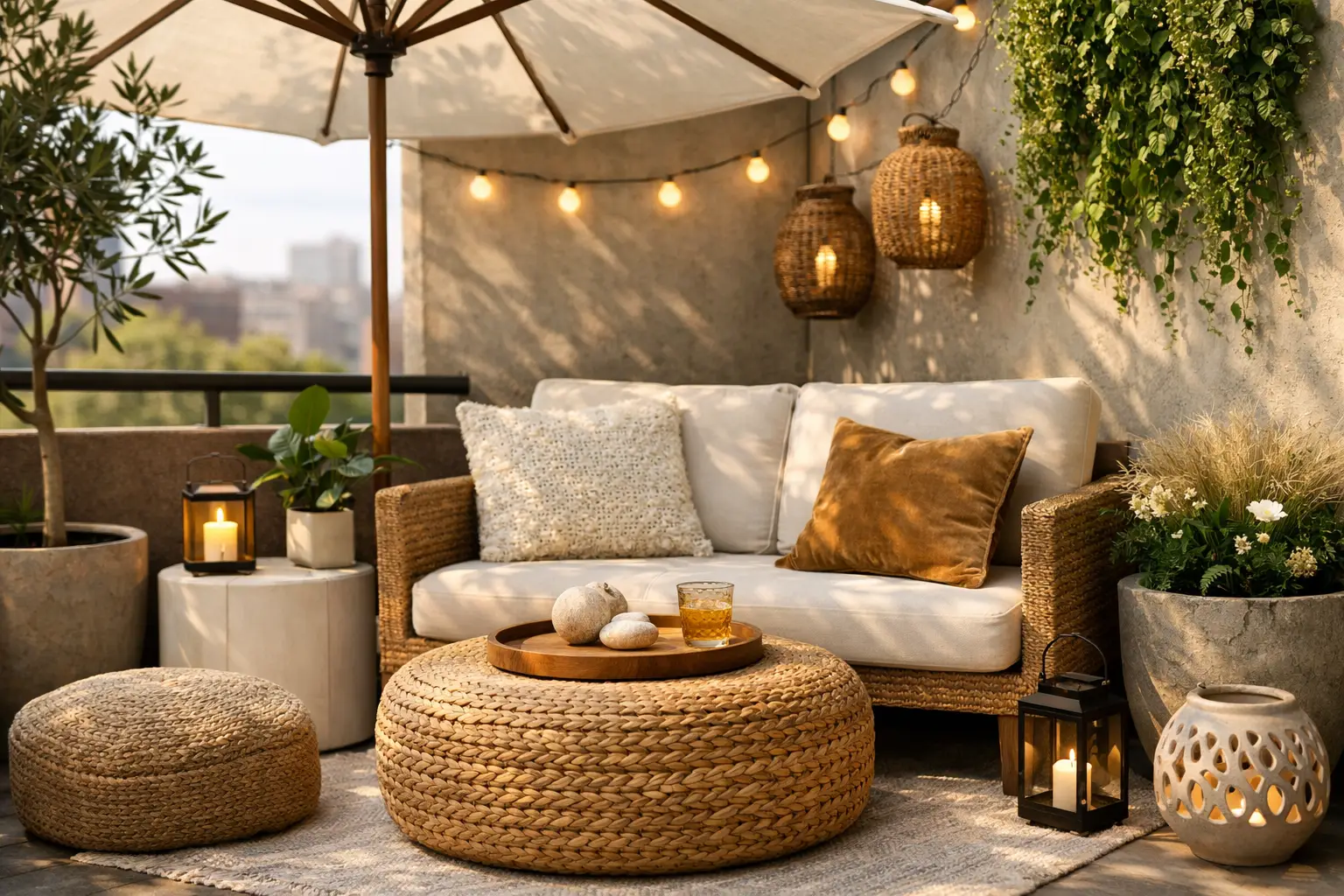
A small patio can look expensive fast – or cluttered even faster. The difference usually comes down to restraint, proportion, and a few well-chosen pieces that make the area feel intentional instead of improvised. The best patio decor for small spaces does not try to imitate a sprawling backyard setup. It leans into intimacy, comfort, and a curated point of view.
That is good news if you are working with a compact balcony, a narrow apartment patio, or a petite backyard corner. Limited square footage often creates a more polished result because every item has to earn its place. When furniture, lighting, textiles, and greenery are selected with care, a small outdoor area can feel more luxurious than a larger space filled without purpose.
Scale is the first decision, and it affects everything that follows. Oversized sectionals, deep chairs, and bulky planters can swallow a compact patio in seconds. On the other hand, furniture that is too tiny can look temporary or flimsy. The sweet spot is streamlined design with enough visual weight to feel premium.
Pieces with slimmer frames, open bases, and lighter silhouettes tend to create breathing room. A bistro set with elegant lines, a compact loveseat with tailored cushions, or a pair of refined folding chairs can all work beautifully. The goal is not to furnish every inch. It is to leave enough negative space that the patio still feels calm.
There is also a practical trade-off here. A low-profile bench may seat more people than two lounge chairs, but lounge chairs usually offer better comfort for longer evenings outside. If your patio is mainly for morning coffee and evening cocktails, prioritize atmosphere. If it doubles as a family overflow zone, function may need to lead.
Small patios look better when they are designed around a single use. Trying to make one petite area serve as dining room, reading nook, plant conservatory, and entertaining lounge usually leads to visual noise.
Choose the experience you want most. Maybe it is a quiet retreat with a chair, side table, and lantern glow. Maybe it is a compact dining setup for two. Maybe it is a stylish social corner with a loveseat and a tray for drinks. Once that purpose is set, every decorative choice feels easier and more elevated.
This is where curated styling matters. A premium outdoor look is rarely about having more. It is about having the right combination of form and function. One elegant seating arrangement with layered cushions will always look more refined than a patio crowded with mismatched extras.
The best small-space furniture has presence without heaviness. Look for pieces that show a little floor underneath them, whether through tapered legs, open metal frames, or woven designs that let light pass through. Visually, this keeps the area from feeling boxed in.
Round tables are often the smarter choice in tight layouts because they soften corners and improve movement. Nesting tables can be especially useful when you want flexibility without permanent bulk. A storage ottoman can also work well, though it depends on your layout. It adds function, but in a very narrow patio it may interrupt flow.
If you have room for only one standout furniture piece, make it the seating. Cushioned seating immediately shifts a patio from basic to inviting. Choose fabrics and finishes that feel tailored and elevated rather than overly casual. Neutral tones, warm wood looks, matte black frames, and soft woven textures all create a more luxurious effect.
Outdoor spaces can feel hard if every surface is metal, concrete, brick, or wood. Textiles are what bring in warmth. For patio decor for small spaces, they also help define zones without taking up extra room.
An outdoor rug is often the anchor that makes a compact patio feel finished. It creates the sense of an intentional room, even if the footprint is modest. Go large enough to frame the furniture grouping, but not so large that it presses awkwardly against every edge. A rug with subtle pattern or tonal texture tends to feel more sophisticated than a high-contrast print in a small area.
Then add cushions and throws with some discipline. Two to four well-coordinated cushions can feel plush and polished. Eight can feel crowded. Mixing texture is more effective than mixing too many colors. Think linen-look neutrals, soft stripes, boucle-inspired outdoor weaves, or muted botanical tones.
There is a design trick here that works especially well in smaller patios: repeat one or two colors instead of introducing many. Repetition creates cohesion, and cohesion reads as expensive.
Lighting is often the detail that separates a usable patio from a truly inviting one. In small spaces, it is also one of the easiest ways to create atmosphere without sacrificing square footage.
String lights can work beautifully, but they should feel considered rather than haphazard. Warm white bulbs usually look more refined than cool-toned light. If string lighting is not practical, lanterns, cordless table lamps, or wall-mounted sconces can create a more intimate effect.
Candles and flameless candles also earn their place in compact patios because they offer softness at eye level. Grouping a few lanterns of varying heights can make even a simple corner feel styled. Just keep scale in check. One oversized lantern may be enough. Too many accessories on the ground can shrink the usable area.
If your patio is visible from indoors, lighting matters even more. A softly lit outdoor setup extends the visual footprint of your home and makes the entire space feel more finished after sunset.
One of the smartest ways to elevate a compact patio is to stop relying only on floor decor. Vertical styling draws the eye upward and keeps the layout open.
Wall planters, slim shelving, hanging baskets, and mounted lanterns can all add personality without taking up valuable floor space. This is especially useful on apartment balconies, where every inch matters. A vertical garden can feel lush and luxurious, but only if it is edited. Too many small pots can quickly look busy.
Instead, think in terms of composition. A few planters with trailing greenery, a wall accent, and one decorative light source can have much more impact than a crowded collection. The same rule applies to privacy screens and trellises. They can add softness and separation, but they should still allow the space to feel open enough for light and airflow.
Plants are almost always part of a beautiful patio, but in a small setting, proportion is everything. One sculptural planter can be more powerful than six tiny ones scattered around the perimeter.
Mixing planter heights adds dimension, while keeping the planter finish consistent creates polish. You might pair a floor planter in one corner with a smaller tabletop plant and a hanging accent overhead. That gives you variety without visual clutter.
It also helps to choose plants based on maintenance reality, not just looks. If the patio gets intense afternoon sun, delicate greenery may struggle. If you travel often or know you are not interested in plant care, low-maintenance options are the better choice. A neglected patio never feels luxurious, no matter how beautiful the original styling was.
Accessories are where the patio gains personality, but they are also where small spaces go wrong. A tray, a lantern, a sculptural planter, and a few textiles may be enough. Once every surface is filled, elegance disappears.
Try to think of decor in layers rather than volume. Start with the foundation pieces, then add one or two accents that reinforce the mood. If your patio is modern, keep accessories clean and architectural. If it leans romantic or European-inspired, woven textures and soft candlelight may feel right.
Ceremoniale’s approach to outdoor style fits this mindset well: curated pieces, premium appeal, and details that feel elevated without becoming excessive. That balance is exactly what a small patio needs.
A final detail worth considering is scent. A subtle outdoor candle, a pot of lavender, or herbs near the seating area can make a compact patio feel unexpectedly special. It is a small gesture, but small spaces respond beautifully to thoughtful finishing touches.
The most memorable patios are not the biggest ones. They are the ones that feel composed, comfortable, and unmistakably personal. When every piece is chosen with intention, even the smallest outdoor corner can feel like an exclusive escape just outside your door.







Leave a comment