
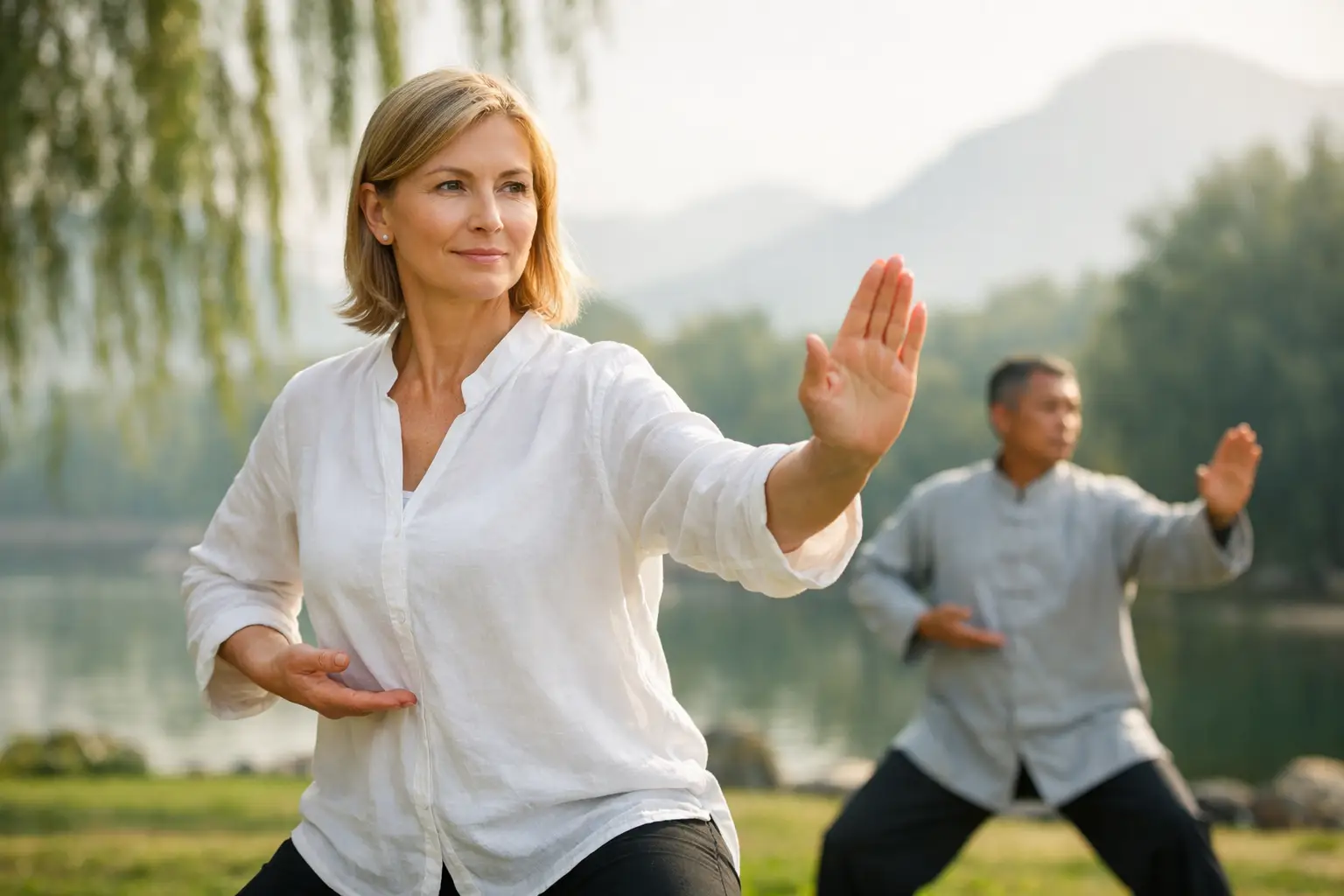
A peaceful morning routine does not need to begin with an intense workout or complicated equipment. If you are wondering how to start tai chi, begin with one idea: this is a practice of unhurried attention. A few deliberate movements, a steady breath, and a small clear area can create a refined pause in a full day – whether you practice in a sunlit living room, on the patio, or in a quiet corner of the bedroom.
Tai chi has a graceful visual quality, but it is not a performance. For beginners, its appeal lies in its approachable rhythm. The goal is not to force flexibility, memorize a long sequence immediately, or make every position look perfect. It is to become more aware of posture, weight, breath, and pace.
The easiest way to begin is with short, regular sessions. Set aside 10 to 15 minutes, two or three times a week, and treat that time as an appointment with yourself. A consistent practice is more valuable than an ambitious hour that feels difficult to repeat.
Choose a space where you can extend both arms without bumping into furniture. You do not need a dedicated studio, although a thoughtfully arranged space can make the ritual more inviting. Clear visual clutter, let in natural light if possible, and keep the floor dry and level. A calm setting helps the movement feel intentional rather than like another task to finish.
Start standing with your feet about hip-width apart and your knees soft, not locked. Allow your shoulders to drop. Imagine the crown of your head gently lifting upward while the rest of your body settles down through your feet. Breathe naturally for several moments before you move.
This quiet standing position is often overlooked because it appears simple. Yet it introduces the central feeling of tai chi: relaxed, upright, and grounded at the same time.
Traditional tai chi forms can include many connected movements. They are beautiful to learn, but trying to absorb an entire form on day one can make a calm practice feel like choreography homework. Begin instead with a few foundational motions that let you explore coordination without rushing.
Try this gentle sequence:
Move only within a range that feels comfortable. Your arms do not need to rise high, and your knees do not need to bend deeply. Tai chi is often more elegant when it is smaller, slower, and less strained.
Once that feels familiar, add a gradual weight shift. With both feet planted, move a little more of your weight into one leg, then return to center and shift to the other side. Keep your torso tall rather than leaning. This develops an awareness of balance that appears throughout tai chi forms.
A beginner class or a well-structured instructional video can be helpful after you have tried these basics. Look for teaching that explains posture, foot placement, and breathing in plain language. A fast-paced routine may be visually impressive, but it is not always the most useful place to learn. The best instruction leaves room for you to notice how your body responds.
There is no single correct entry point. Yang-style tai chi is widely favored by beginners because of its expansive, flowing movements and measured tempo. Chen-style tai chi can include lower stances and more dynamic changes, while Wu-style tai chi is often recognized for its smaller, subtly angled positions.
If you are drawn to a gentle, polished movement ritual, Yang style may feel especially welcoming. But the instructor matters as much as the style. A patient teacher who offers modifications and encourages steady progress can make any introductory class feel more accessible.
Tai chi does not require a special uniform. What you wear should feel comfortable, polished, and free of distractions. Choose breathable pieces that allow your shoulders, hips, and knees to move easily. Soft leggings, relaxed pants, a fluid top, or a lightweight knit layer are all appropriate choices.
Avoid restrictive waistbands, overly loose sleeves that catch your attention, or footwear that feels unstable. Many people practice in supportive flat shoes with flexible soles. Others prefer bare feet indoors, provided the surface is safe and their balance feels secure. If you are unsure, shoes with good traction are the more practical option.
The difference is not about buying a complete new wardrobe. It is about creating a small collection of pieces that make you feel composed and at ease. When your clothing supports movement and reflects your personal style, the practice is easier to return to. A beautifully considered routine has room for both comfort and self-expression.
Beginners sometimes worry about breathing correctly. Keep it uncomplicated. Do not force deep breaths or try to hold a count while you are learning movement. Instead, allow your inhale and exhale to remain quiet and natural.
In many tai chi movements, the body opens or lifts during an inhale and settles or lowers during an exhale. This is a useful guide, not a strict rule. If focusing on breath makes you tense, let your movement lead for now. The relationship between breath and motion becomes clearer with repetition.
A helpful cue is to move at a pace where you could comfortably breathe through your nose. If you find yourself holding your breath, speeding up, or tightening your shoulders, make the motion smaller and slower. That adjustment is not a setback. It is the practice.
The most effective tai chi routine is the one that fits naturally into your life. Some people enjoy practicing before the household wakes, while others prefer the soft transition from workday to evening. Try pairing tai chi with an existing habit: after making morning tea, before a shower, or after changing out of work clothes.
Keep the first month uncomplicated. Practice your standing posture, the floating-hands movement, and weight shifts. Repeating a small sequence is not boring when you use it to notice new details: whether one side feels steadier, whether your shoulders have softened, or whether your feet are gripping the floor.
A simple journal can make the habit feel more tangible. After each session, write one sentence about what you noticed. Perhaps the room felt quieter, your stance felt more balanced, or your movements were less hurried than last time. These small observations offer a more realistic measure of progress than expecting dramatic changes overnight.
Tai chi is adaptable, but it should never involve pushing through sharp pain, dizziness, or joint discomfort. Shorten your stance, reduce the range of motion, hold a chair lightly for balance, or practice seated movements if standing feels difficult. A qualified instructor can help tailor positions to your needs.
If you have a health condition, recent injury, balance concern, or are returning to movement after a long break, check with a healthcare professional before beginning. Then choose a class or instructor who welcomes questions and offers clear alternatives. Good tai chi teaching is attentive, not intimidating.
There is also no need to compare your beginning with someone else’s decades of practice. The slow, composed quality you admire in experienced practitioners was built one quiet repetition at a time.
Give yourself permission to make tai chi a beautiful part of ordinary life rather than another goal to conquer. Roll out of bed, put on something comfortable, stand in your favorite calm corner, and let the first movement be small. With time, that modest ritual can become one of the most grounding details of your day.









Leave a comment