
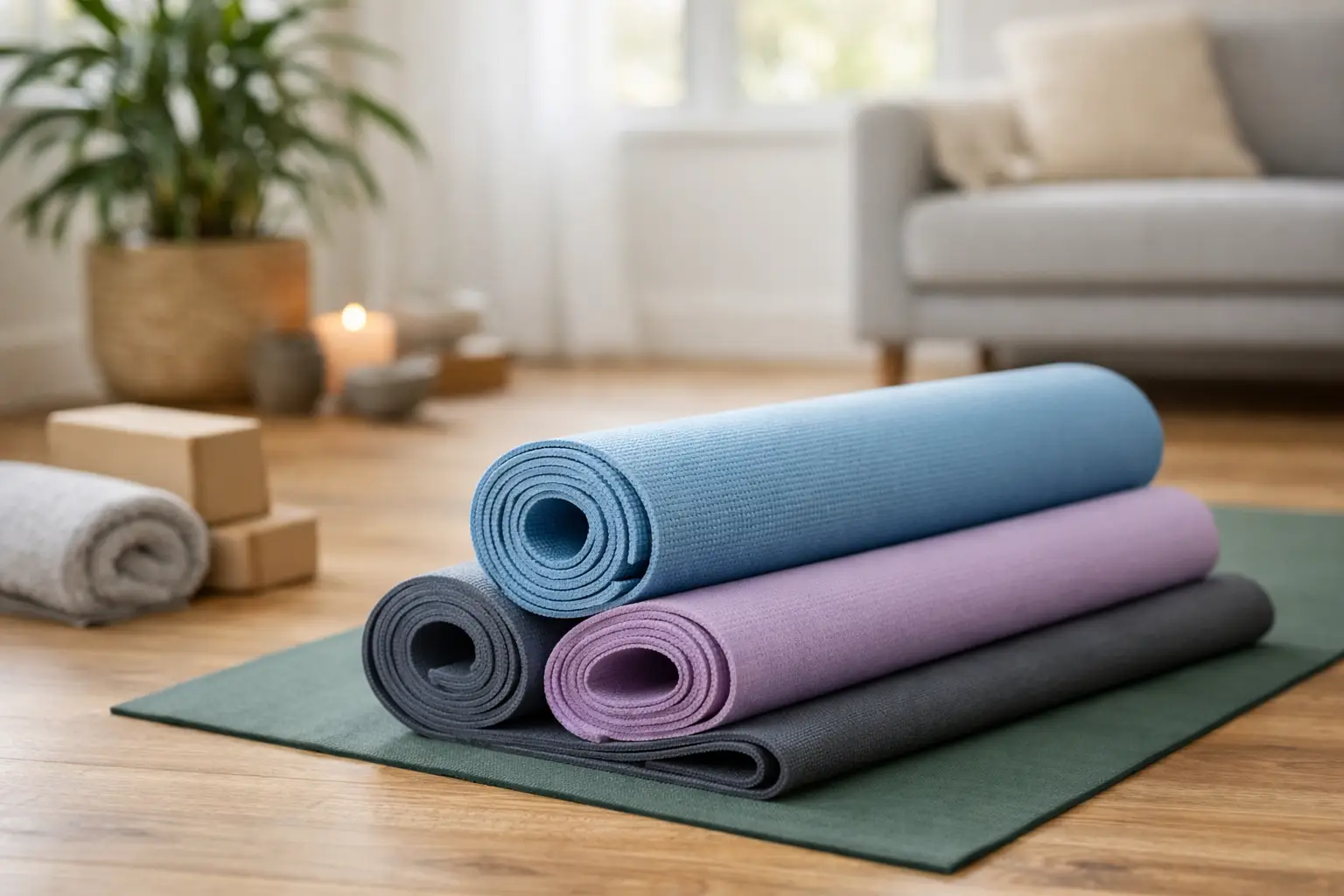
A home yoga ritual should feel like a privilege, not a compromise made on a slippery surface between the sofa and coffee table. The best yoga mats for home bring comfort, stability, and visual calm to the room, helping a few quiet minutes of movement feel more intentional. Whether your practice is a slow morning stretch, an energizing vinyasa flow, or restorative poses before bed, the right mat changes how supported you feel from the first breath.
Unlike a studio mat that sees constant transport and shared use, a mat for home can be selected around your personal preferences and your space. It may live beneath a console table, rest in a woven basket, or become part of a beautifully arranged wellness corner. That makes performance essential, but it also makes color, texture, and storage worth considering.
The ideal home mat is not necessarily the thinnest, stickiest, or most expensive option. It is the one that complements your body, the style of yoga you enjoy, and the floor beneath you. A polished hardwood floor calls for a different level of cushioning than wall-to-wall carpet, while a fast-paced flow demands more dependable traction than a gentle meditation practice.
Start with the feeling you want underfoot. A firm, grounded mat gives balance poses a secure foundation. A plush option makes kneeling, reclining, and longer restorative holds far more inviting. Many home practitioners benefit from a mat that sits between those extremes: substantial enough for comfort yet stable enough that feet do not sink into the surface during standing poses.
Also consider how often you will use it. If yoga is part of your daily rhythm, durability and easy care deserve priority. If you are creating an occasional sanctuary for stretching and self-care, an elegant, soft-touch mat may be the more appealing choice.
Choose a thicker mat, generally around 6 millimeters or more, if your home practice centers on child’s pose, hip openers, yin yoga, or relaxed stretching. The additional cushion protects sensitive knees, wrists, and tailbone, especially on tile or wood flooring. It can make the difference between settling into a pose and cutting it short because the floor feels unforgiving.
The trade-off is balance. Extra-thick mats can feel slightly less steady in standing sequences, particularly for anyone new to yoga. For restorative movement, that is usually a welcome exchange for a more luxurious sense of comfort.
For an at-home practice with repeated transitions, look for a medium-thickness mat with a textured or non-slip top layer. A mat around 4 to 5 millimeters often offers a refined middle ground: enough cushion for everyday use, with a stable base for lunges, planks, and warrior poses.
Grip matters most here. When hands begin to warm or a room gets humid, a smooth surface can become distracting. Seek a mat designed to stay secure with light moisture, or pair a less textured mat with a yoga towel for a more tailored setup. A towel adds laundering, but it is a practical solution for anyone who enjoys more vigorous sessions.
A slimmer, denser mat is often the better choice when stability is the focus. In tree pose, side plank, and controlled core exercises, a responsive surface helps you sense your connection to the floor. Think of it as the difference between standing on a supportive rug and standing on a plush mattress: one feels grounded, while the other can shift beneath you.
A 3 to 4 millimeter mat can work beautifully in a dedicated workout room or carpeted space. On hard floors, however, you may prefer a denser material rather than simply choosing the thinnest profile available.
Yoga-mat materials affect grip, weight, scent, durability, and the way a mat looks after months of use. There is no universal winner, but understanding the differences helps you select with confidence.
PVC mats are widely available, durable, and often provide impressive traction after a short break-in period. They can be an appealing choice for frequent practice and tend to offer a broad range of colors. Some shoppers prefer to avoid PVC for personal material preferences, so it is worth checking the product details rather than assuming all mats are made alike.
TPE mats are often lightweight and cushioned, making them particularly convenient if you plan to move your mat from room to room or take it outdoors. They may not have the same long-term resilience as denser premium options, but they offer an accessible balance of comfort and convenience.
Natural rubber delivers a notably grounded, grippy feel that many dedicated practitioners appreciate. It is typically heavier, and it may have a natural scent at first. Those with latex sensitivities should avoid rubber mats and choose another material.
Cork-topped mats offer an elevated, earthy appearance that suits a serene home setting. Their surface can become more grippy with light moisture, which makes them a lovely option for warm practices. They are less plush than some foam mats, so consider what lies underneath before choosing one for sensitive joints.
A yoga mat does not need elaborate features to earn a place in a curated home. It simply needs thoughtful design. A non-slip underside is especially valuable on hardwood, laminate, and tile, where a mat that creeps across the floor interrupts even the most peaceful routine.
Size is another overlooked detail. Standard mats work well for many people, but taller practitioners may appreciate extra length for savasana and full-body stretches. A wider mat can create a more generous practice zone, particularly if your hands or feet often reach beyond the edges during flow. Measure the area where you will practice before selecting an oversized design. The mat should enhance the room, not make it feel crowded.
Color and finish deserve their moment, too. Soft neutrals, warm earth tones, muted sage, and understated black can settle effortlessly into a sophisticated interior. A deep jewel tone can become a purposeful accent in a minimalist room. The most beautiful option is one you will be happy to leave visible, because easy access encourages consistency.
The mat is the foundation, but its surroundings shape the ritual. Keep it within reach of a clear floor area, rather than storing it somewhere that requires a search before every session. A simple basket, low-profile shelf, or discreet corner of a bedroom can make a daily practice feel effortless.
Add only what supports your routine. A folded blanket can soften seated poses, blocks can bring the floor closer in forward folds, and a strap can make gentle mobility work more accessible. A softly lit lamp, a calm playlist, or a nearby water carafe can turn a practical setup into a more considered escape. The goal is not to recreate a crowded studio. It is to create a personal space that feels composed and inviting.
For a home with pets, children, or high foot traffic, choose a mat that rolls up neatly and wipe it down after use. This protects the material and keeps your wellness corner feeling fresh. If a mat has a strong new-material scent, unroll it in a ventilated room for a day or two before your first practice.
A beautifully made mat lasts longer when it is cleaned gently. For most materials, a soft cloth with water and a small amount of mild soap is enough after regular use. Avoid saturating the mat or using harsh cleaners unless the manufacturer specifically recommends them, as aggressive formulas may affect texture and grip.
Let the mat air-dry fully before rolling it up. Store it away from direct sunlight and intense heat, which can cause certain materials to fade, dry out, or lose their shape. With simple care, a favorite mat can remain a reliable part of your home ritual instead of becoming another disposable fitness purchase.
The right choice is ultimately personal: choose cushioning if your body asks for softness, choose density if balance is your priority, and choose a finish that makes you want to return to your space. When your mat feels as considered as the rest of your home, even ten minutes of movement can become a small, elegant ceremony of care.







Leave a comment