
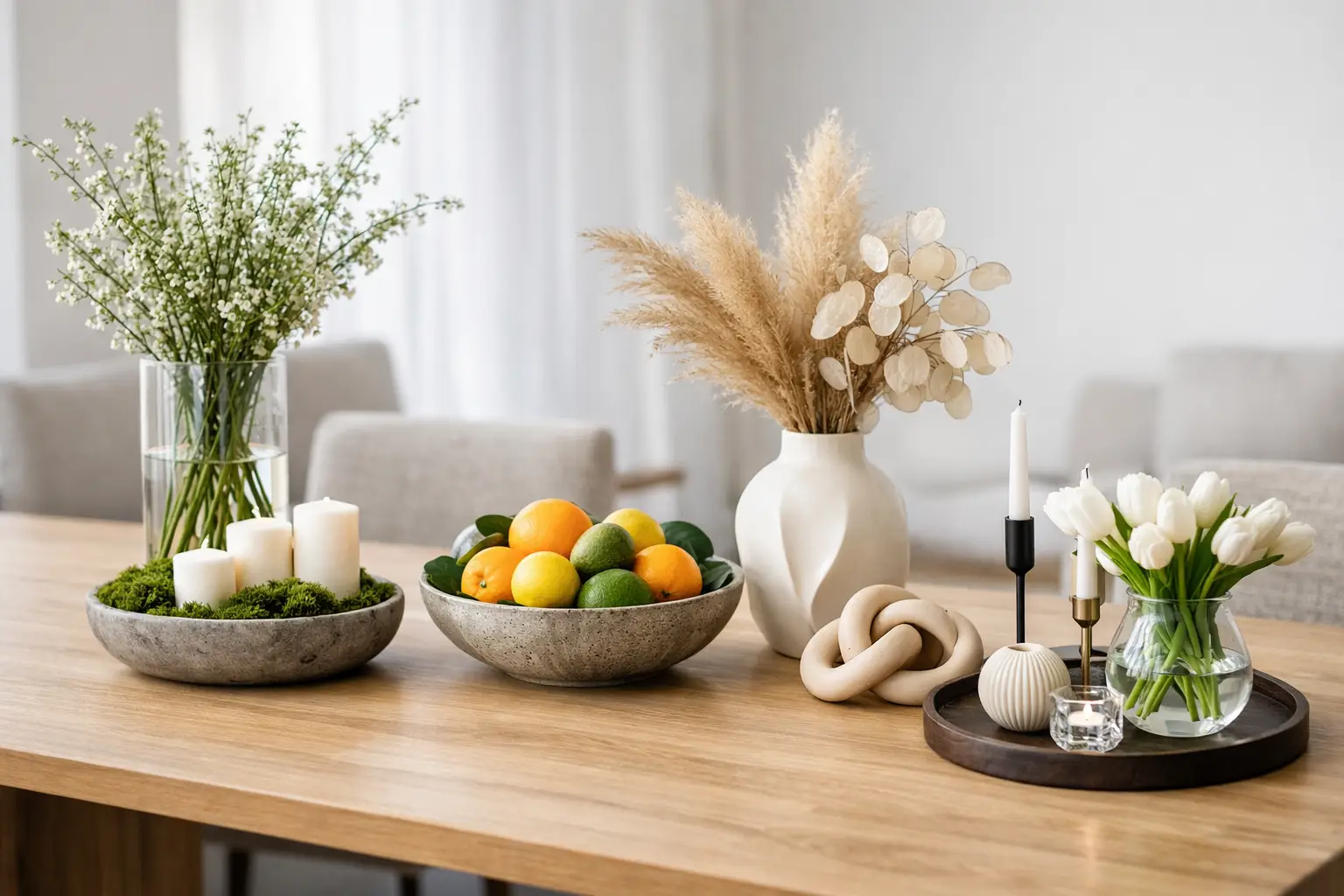
A dining table can look expensive, intentional, and beautifully styled long before dinner is served. The difference is often the centerpiece. The best modern dining table centerpiece ideas do not crowd the table or compete with the room – they refine it. A well-chosen arrangement gives your space presence, adds personality, and makes everyday meals feel a little more elevated.
Modern styling works best when it feels edited. That does not mean cold or minimal for the sake of it. It means choosing pieces with clean lines, thoughtful scale, and enough texture to keep the room from feeling flat. Whether your dining area leans soft contemporary, organic modern, glam, or Scandinavian-inspired, the right centerpiece can bring the whole setting together.
A modern centerpiece usually starts with restraint. Instead of layering too many decorative objects, focus on one strong idea and build around it. This could be a sculptural vase, a low bowl, a row of candleholders, or a tray with a few curated accents. The look should feel intentional, not overfilled.
Scale matters just as much as style. A long rectangular table can handle a centerpiece with more length, while a round table often looks best with one central statement. Height is another factor. Tall branches can be striking, but if the arrangement blocks conversation across the table, it becomes more dramatic than practical. For everyday living, lower profiles tend to feel more luxurious because they are easier to live with.
Material is where modern design gets its richness. Glass, ceramic, marble, metal, wood, and linen all bring different moods. Mixing them gives a more collected, premium look than relying on one finish alone. A matte ceramic vase on a stone tray with a soft linen runner, for example, feels polished without trying too hard.
This is one of the most reliable modern dining table centerpiece ideas because it looks refined in nearly any dining room. A vase with an artful silhouette instantly brings design value, even before you add stems. Choose a shape with clean lines, then keep the floral element simple – olive branches, magnolia leaves, eucalyptus, or a few tall stems with natural movement.
The key is not to over-arrange it. A loose, airy composition feels more premium than a dense bouquet. If your dining room already has strong lighting or bold upholstered chairs, this kind of centerpiece offers balance without visual competition.
For a quieter, more grounded look, a wide decorative bowl works beautifully. Fill it sparingly with moss balls, preserved botanicals, wooden beads, or seasonal fruit with rich color and natural texture. Pears, pomegranates, and artichokes can look surprisingly luxurious when styled with restraint.
This option is especially effective on tables that are used daily. It stays low, never interrupts conversation, and still gives the room a finished look. If your style leans warm modern rather than stark minimalism, this approach feels inviting and current.
Candles make a dining space feel finished faster than almost anything else. A trio of candleholders in complementary heights creates a centerpiece that is simple, elegant, and versatile. Glass, black metal, brushed gold, or travertine all work, depending on your overall palette.
This is a smart choice if you want the table to shift easily from everyday use to entertaining. During the day, the shapes themselves act as decor. In the evening, candlelight adds instant atmosphere. The trade-off is that this look depends heavily on the quality of the holders. If they are too ornate or too small for the table, the effect can feel scattered.
A modern table runner can anchor a centerpiece without making the table feel formal. Instead of loading it with many small items, style it with two or three meaningful pieces. Think a low bowl, a pair of candleholders, and one small vase. The runner should soften the surface and add contrast, especially if your table is wood, glass, or stone.
Linen and textured woven fabrics work particularly well because they add depth without looking fussy. If your dining chairs or drapery already have pattern, keep the runner solid and neutral. If the room is very tonal, a subtle contrast can add needed interest.
A tray has a subtle but powerful effect – it turns individual objects into one composed statement. On a rectangular dining table, a long tray can hold candles, a vase, and a small decorative object while keeping the arrangement visually neat. This approach feels especially elevated in open-concept homes where the dining table is visible from the kitchen or living room.
Trays also make practical sense. If you need the table clear for hosting, you can move the whole arrangement at once. Choose finishes that feel premium and modern, such as marble-look stone, lacquer, wood with a smooth profile, or matte metal.
Flowers are timeless, but the modern version is less about abundance and more about editing. One color family tends to look more sophisticated than a multicolor bouquet. Cream, soft blush, deep burgundy, or all-green arrangements can feel expensive and current without overwhelming the room.
The vase matters here. Keep it sleek and sculptural rather than romantic. If your table is small, even a modest arrangement can be enough. If your table is long, repeat the floral story with two smaller vessels instead of one oversized bouquet. That often looks more balanced.
If a single large centerpiece feels too formal, try a group of smaller vases. This style brings movement and softness to the table while still feeling contemporary when the palette stays cohesive. Use bud vases in similar materials or tones, and fill them with a few stems each.
This works particularly well for entertaining because it feels special without being rigid. It also allows flexibility – you can make it more seasonal, more romantic, or more minimalist depending on the stems you choose. The caution is spacing. Too many small pieces can start to feel busy, so keep the grouping tight and intentional.
Modern dining spaces often benefit from one element that adds warmth. A carved wooden bowl, chain link decor in natural wood, or a wood tray paired with ceramic or glass pieces can soften a room with cooler finishes. This is especially effective if your dining area includes black metal, white walls, or stone surfaces.
Contrast creates sophistication. Light oak with matte black, walnut with cream ceramics, or weathered wood with polished glass can all feel curated and premium. The overall effect is relaxed elegance rather than showroom perfection.
Seasonal centerpieces do not have to be themed to the point of feeling temporary. A better approach is to shift materials and colors while keeping the structure clean. In spring, that may mean fresh green branches and pale ceramics. In fall, it could be a low amber glass vessel with muted foliage and candlelight. In winter, metallic accents and evergreen stems can feel festive without looking overly decorated.
This is where many tables go off course. Seasonal styling becomes less modern when it is packed with obvious motifs or too many small fillers. Keep the palette tight and let one or two standout elements do the work.
Round tables need a slightly different approach because every angle is visible at once. One central object usually works better than a stretched arrangement. A sculptural bowl, a floral arrangement with a soft dome shape, or a compact tray with candles can all look balanced.
The main goal is proportion. If the centerpiece is too small, the table can look unfinished. Too large, and it takes over the entire surface. A strong center object with enough visual weight tends to feel the most elegant.
If your table is where homework, takeout, coffee, and actual dining all happen, practicality should lead. Low profiles, easy-to-move trays, and durable materials are your best choices. Ceramic, metal, and wood are generally easier to maintain than delicate arrangements that need constant refreshing.
This is where curated simplicity wins. One beautiful bowl or a compact set of candleholders often feels more luxurious than a centerpiece that demands upkeep. It is easier to keep looking polished, and that consistency is what gives a home its elevated feel.
One of the most overlooked styling choices is leaving space around the centerpiece. Modern design relies on breathing room. A centerpiece looks more premium when it has enough negative space to stand out.
If every inch of the dining table is filled, even expensive decor can lose its impact. Give your objects room to read clearly. That single decision often makes the difference between styled and cluttered.
A beautiful dining table does not need a complicated formula. It needs a point of view, a few well-chosen pieces, and the confidence to stop before it feels overdone. If you want your space to feel polished, current, and genuinely inviting, curated modern dining table centerpiece ideas will always outperform decoration that tries too hard. Ceremoniale style is all about that balance – sophisticated enough to impress, effortless enough to enjoy every day.
The best centerpiece is the one that makes your table feel finished even when nothing else is happening around it.








Leave a comment